
Understand Shame in Shameful Situations
Discover effective strategies to understand shame and navigate through shameful situations. Gain insights into shameful behavior and learn how to overcome shame for personal growth.
FAMILYCOMMUNITY
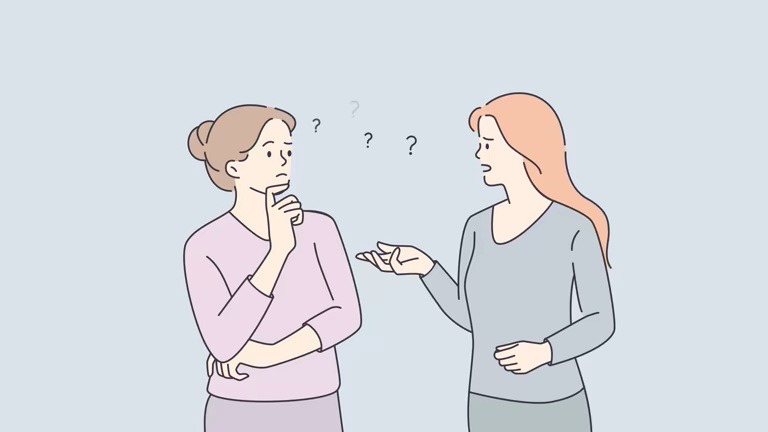
About Shameful Situation
Shame is an emotional experience: a debilitating emotion, a feeling of inadequacy, a sense of failure to meet internal or external standards, and a feeling of rejection. Shame makes us experience deep emotions such as embarrassment, humiliation, self-doubt, and guilt. Shame can create a vicious cycle that affects not only the person but also those around them, leading to physical and mental health problems. This emotional reaction is not just a temporary discomfort; it can shape our self-concept and profoundly influence behavior. Recognizing the signs of shame and actively working to reduce its impact is crucial to achieving a healthier and more positive self-image.
It is essential to recognize that everyone experiences shame in their own way, and these signs may not be relevant to everyone or every situation. Cultural norms and values significantly influence the experience of shame, as some actions or behaviors may be considered acceptable in one context but downright shameful in another. Coping with shameful situations requires recognizing that feeling shame and empathy for oneself are normal human conditions. Engaging in open dialogue about shame-provoking feelings increases connection and empathy, which can help us overcome the stigma often associated with shame.
Ways to Understand a Shameful Situation
Hiding from Others
Instead of seeking support or comfort from others, shy people isolate themselves from family and society to cope with feelings of shame. Other symptoms of shyness may include worrying about what others think, hiding from others, crying, and feeling embarrassed.
Do not Share Thoughts with Others
Due to shame, individuals often refrain from sharing their thoughts and feelings, fearing rejection or embarrassment. Individuals may become unusually quiet or withdrawn, avoiding engagement in conversation.
Fear of being Foolish
Shame anxiety causes individuals to be more concerned with failure than with doing something ethical because they fear being inappropriate or foolish. As a result, it becomes difficult for them to focus on making the right decisions.
Trying to Hide the Reality
Concerns about shame may include an individual's attempt to hide the truth, feelings of regret, feelings of disrespect, and a loss of sense of self-identity.
Lack of Eye Contact
In social interactions, avoiding eye contact and looking down or away without meeting someone's gaze can indicate shyness. In certain situations, it can also signal feelings of shame and discomfort.
Physical Symptoms
Shame can manifest physically, such as crossed arms, hunched shoulders, stomachaches, headaches, or body tension. Physical symptoms such as flushed cheeks or sweating may also indicate more general signs of physical discomfort, such as feeling restless and unable to walk or sit still.
Shows Defensive Attitude
When people feel ashamed, they experience a sense of insecurity and a lack of trust in others. They may become defensive or argumentative when trying to deflect blame or criticism. In extreme cases, feelings of shame can lead to self-sabotaging behavior, where individuals undermine their own success or well-being as a form of self-punishment.
Changes in Distraught Behavior
Feeling frozen in embarrassing situations, being unable to act spontaneously, and stuttering in an excessively soft voice are signs of shyness. Irritability, moodiness, and even aggression are symptoms of shame as individuals struggle to manage their feelings of shame. People may also seek reassurance from others to relieve their shame or guilt.
Exaggerated Humility and Apology
Over-apologizing for small mistakes or perceived flaws can indicate that someone feels ashamed. They may display exaggerated humility as a way to divert attention from their perceived shortcomings.
Avoidance of Responsibility
When shamed, individuals may try to avoid accountability altogether rather than confronting the situation or taking responsibility for their actions. They may also engage in self-criticism or negative self-talk.
Difficulty Accepting Blame and Praise
People experiencing shame may struggle to accept praise or positive feedback because they often feel undeserving of it. People who frequently feel ashamed often struggle to accept praise or positive feedback, perceiving themselves as unworthy of praise. In addition, individuals experiencing shame may over-blame themselves or others as a way to manage their emotional turmoil.
লজ্জাজনক পরিস্থিতি সম্পর্কে
লজ্জা একটি আবেগগত অভিজ্ঞতা: একটি দুর্বল করে দেওয়ার আবেগ, অযোগ্যতার অনুভূতি, অভ্যন্তরীণ বা বাহ্যিক মান পূরণে ব্যর্থতার অনুভূতি এবং প্রত্যাখ্যানের অনুভূতি। লজ্জা আমাদের বিব্রতকর অবস্থা, অপমান, আত্ম-সন্দেহ এবং অপরাধবোধের মতো গভীর আবেগ অনুভব করায়। লজ্জা একটি দুষ্টচক্র তৈরি করতে পারে যা কেবল ব্যক্তিকেই নয় বরং তার চারপাশের লোকদেরও প্রভাবিত করে, যার ফলে শারীরিক ও মানসিক স্বাস্থ্য সমস্যা দেখা দেয়। এই মানসিক প্রতিক্রিয়া কেবল একটি সাময়িক অস্বস্তি নয়; এটি আমাদের আত্ম-ধারণাকে রূপ দিতে পারে এবং আচরণকে গভীরভাবে প্রভাবিত করতে পারে। একটি স্বাস্থ্যকর এবং আরও ইতিবাচক আত্ম-চিত্র অর্জনের জন্য লজ্জার লক্ষণগুলি সনাক্ত করা এবং এর প্রভাব কমাতে সক্রিয়ভাবে কাজ করা অত্যন্ত গুরুত্বপূর্ণ।
এটা স্বীকার করা অপরিহার্য যে প্রত্যেকেই তাদের নিজস্ব উপায়ে লজ্জা অনুভব করে এবং এই লক্ষণগুলি প্রত্যেকের বা প্রতিটি পরিস্থিতির জন্য প্রাসঙ্গিক নাও হতে পারে। সাংস্কৃতিক নিয়ম এবং মূল্যবোধ লজ্জার অভিজ্ঞতাকে উল্লেখযোগ্যভাবে প্রভাবিত করে, কারণ কিছু কাজ বা আচরণ এক প্রেক্ষাপটে গ্রহণযোগ্য বলে বিবেচিত হতে পারে কিন্তু অন্য প্রেক্ষাপটে সম্পূর্ণ লজ্জাজনক। লজ্জাজনক পরিস্থিতি মোকাবেলা করার জন্য স্বীকার করা প্রয়োজন যে নিজের প্রতি লজ্জা এবং সহানুভূতি বোধ করা স্বাভাবিক মানবিক অবস্থা। লজ্জা-উদ্দীপক অনুভূতি সম্পর্কে খোলামেলা সংলাপে অংশগ্রহণ সংযোগ এবং সহানুভূতি বৃদ্ধি করে, যা আমাদের প্রায়শই লজ্জার সাথে সম্পর্কিত কলঙ্ক কাটিয়ে উঠতে সাহায্য করতে পারে।
লজ্জাজনক পরিস্থিতি বোঝার উপায়
অন্যদের থেকে লুকায়ে থাকে
লজ্জার অনুভূতি মোকাবেলা করার উপায় হিসাবে ব্যক্তিরা অন্যদের কাছ থেকে সমর্থন বা সান্ত্বনা চাওয়ার পরিবর্তে, পরিবার এবং সমাজ থেকে নিজেদের বিচ্ছিন্ন করে। লাজুকতার অন্যান্য লক্ষণগুলির মধ্যে অন্যরা কী ভাবছে তা নিয়ে উদ্বিগ্ন হওয়া, অন্যদের থেকে লুকিয়ে থাকা, কান্না করা এবং বিব্রত বোধ করা অন্তর্ভুক্ত থাকতে পারে।
অন্যদের সাথে চিন্তা শেয়ার করে না
লজ্জার জন্য, ব্যক্তিরা চিন্তাভাবনা বা অনুভূতি ভাগ করে না কারণ তারা প্রত্যাখ্যান বা বিব্রত হওয়ার ভয় পায়। ব্যক্তিরা অস্বাভাবিকভাবে শান্ত বা সরে যেতে এবং কথোপকথনে জড়িত হতে এড়িয়ে যেতে পারে।
বোকা হওয়ার ভয় থাকে
লজ্জা উদ্বেগ থেকে ব্যাক্তিরা অনুপযুক্ত বা মূর্খ হওয়ার ভয়ে নৈতিক কিছু করার চেয়ে ব্যর্থতার সাথে বেশি উদ্বিগ্ন হয়। ফলে, তাদের সঠিক সিদ্ধান্ত নেওয়ার দিকে মনোযোগ দেওয়া কঠিন হয়ে পড়ে।
বাস্তবতা আড়াল করার চেষ্টা করে
লজ্জার উদ্বেগের কারণে ব্যাক্তিরা সত্য লুকানোর প্রচেষ্টা, অনুশোচনার অনুভূতি, অসম্মানের অনুভূতি এবং নিজের পরিচয় বোধ হারিয়ে ফেলা অন্তর্ভুক্ত থাকতে পারে।
চোখের যোগাযোগের অভাব থাকে
সামাজিক মিথস্ক্রিয়ায়, কারও দৃষ্টিতে দেখা না করে নীচে বা দূরে তাকিয়ে থাকা চোখের যোগাযোগ এড়ানো লজ্জার ইঙ্গিত হতে পারে। এটি নির্দিষ্ট পরিস্থিতিতে লজ্জাএবং অস্বস্তির অনুভূতির সংকেতও দিতে পারে।
শারীরিক লক্ষণ দেখে
লজ্জা শারীরিকভাবে প্রকাশ পেতে পারে, যেমন, ক্রস করা বাহু, কুঁকানো কাঁধ, পেটব্যথা, মাথাব্যথা বা শরীরে টেনশনের মতো উপসর্গ দেখা দেয়। শারীরিক লক্ষণ যেমন গাল লাল বা ঘাম হওয়া শারীরিক অস্বস্তির আরও সাধারণ লক্ষণও প্রদর্শন করতে পারে, যেমন অস্থির হওয়া, হাঁটাহাঁটি করা বা বসে থাকতে অক্ষমতা অনুভব করে।
প্রতিরক্ষামূলক মনোভাব দেখায়
লোকেরা যখন লজ্জিত বোধ করে, অনিশ্চয়তার অনুভূতি এবং অন্যের প্রতি আস্থার অভাব অনুভব করে। দোষ বা সমালোচনাকে বঞ্চিত করার চেষ্টা করে তখন তারা আত্মরক্ষামূলক বা তর্কাত্মক হয়ে উঠতে পারে। চরম ক্ষেত্রে, লজ্জার অনুভূতি স্ব-নাশকতামূলক আচরণের দিকে নিয়ে যেতে পারে, যেখানে ব্যক্তিরা শাস্তি হিসাবে তাদের নিজস্ব সাফল্য বা মঙ্গলকে দুর্বল করে।
বিচলিত আচরণে পরিবর্তন
বিব্রতকর পরিস্থিতিতে হিমায়িত বোধ করা, স্বতঃস্ফূর্তভাবে কাজ করতে না পারা এবং অত্যধিক নরম কণ্ঠে তোতলাতে কথা বলা লজ্জার লক্ষণ। লজ্জার লক্ষণ হিসাবে বিরক্তিকরতা, মেজাজ, এমনকি আগ্রাসনও, যেহেতু ব্যক্তিরা তাদের লজ্জার অনুভূতিগুলি পরিচালনা করতে লড়াই করে। লোকেরা তাদের লজ্জা বা অপরাধবোধ দূর করার জন্য অন্যদের কাছ থেকে আশ্বাসও চাইতে পারে।
অতিরঞ্জিত নম্রতা এবং ক্ষমা চাওয়া
ছোট ভুল বা অনুভূত ত্রুটির জন্য অতিরিক্ত ক্ষমা চাওয়া ইঙ্গিত দিতে পারে যে কেউ লজ্জিত বোধ করে। তারা তাদের অনুভূত ত্রুটিগুলি থেকে মনোযোগ সরিয়ে নেওয়ার উপায় হিসাবে অতিরঞ্জিত নম্রতা প্রদর্শন করতে পারে।
দায়িত্ব এড়ায়
লজ্জিত হলে ব্যক্তিরা পরিস্থিতির মোকাবিলা করা বা তাদের কর্মের জন্য দায়িত্ব নেওয়ার পরিবর্তে সম্পূর্ণরূপে জবাবদিহিতা এড়াতে চেষ্টা করতে পারে। আত্ম-সমালোচনা বা নেতিবাচক স্ব-কথায়ও জড়িত হয় ।
দোষ দেয় এবং প্রশংসা গ্রহণ করতে অসুবিধা
লজ্জার সম্মুখীন ব্যক্তিদের প্রশংসা বা ইতিবাচক প্রতিক্রিয়া গ্রহণ করতে অসুবিধা হতে পারে, কারন, তারা নিজেকে প্রশংসার অযোগ্য বোধ করতে পারে। যারা লজ্জিত বোধ করে তারা প্রায়শই প্রশংসা বা ইতিবাচক প্রতিক্রিয়া গ্রহণ করতে লড়াই করে, নিজেকে প্রশংসার অযোগ্য হিসাবে দেখে। উপরন্তু, লজ্জার সম্মুখীন ব্যক্তিরা তাদের মানসিক অশান্তি চালনা করার উপায় হিসাবে নিজেদের বা অন্যদের অতিরিক্ত দোষারোপ করতে পারে।
Address
21 Deepglade Crescent, Toronto, M2J 1B3, Ontario, Canada
Contacts
Email: support@answer2know.com
Website: www.answer2know.com
Tel: 1-416-302-8431
Copyright©Answr2Know: Contents on this site can not be copied in whole or in part without prior written consent from the owner. Posts may be used only with owner's permission. (Email- support@answer2know.com)